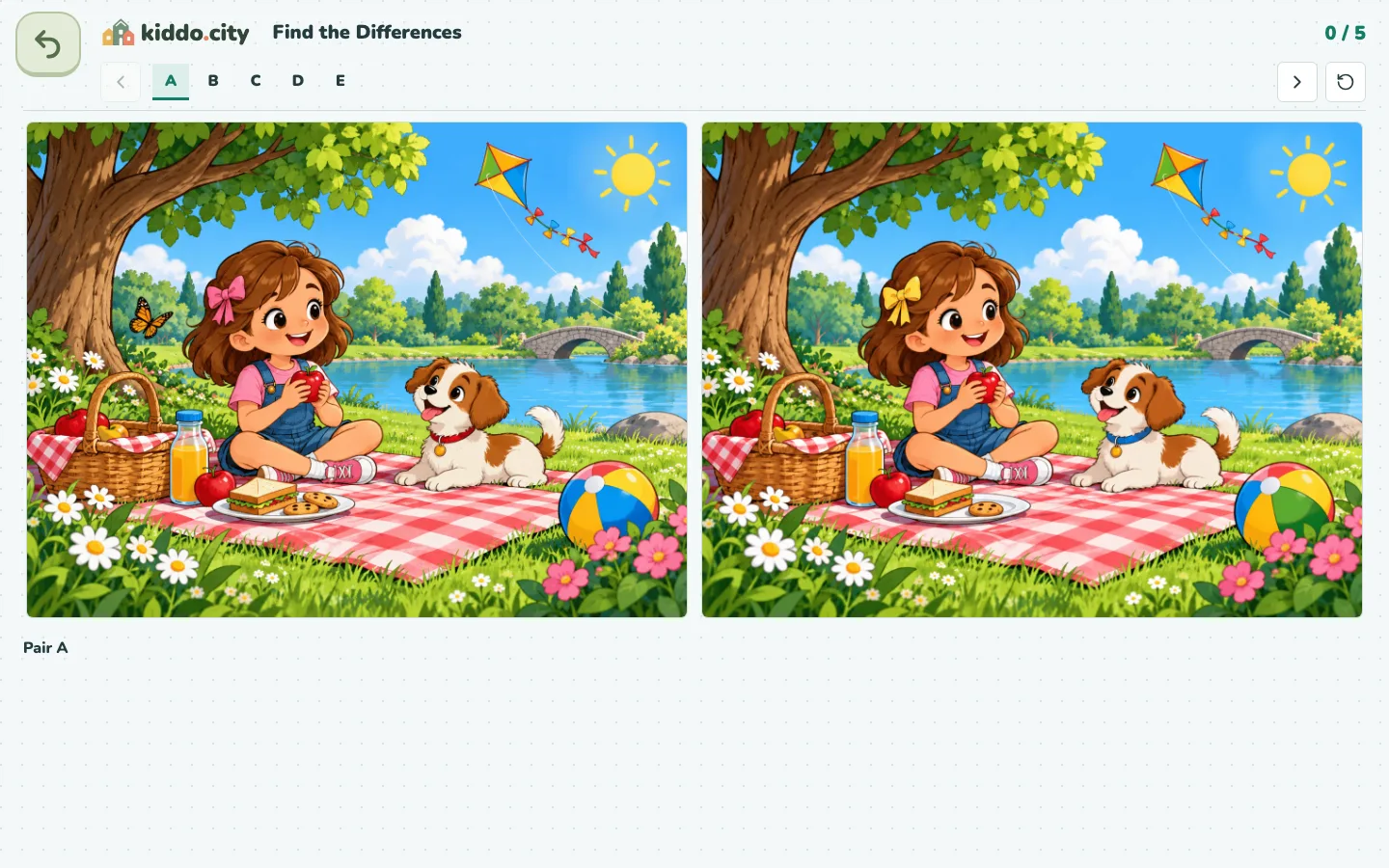
Find the Differences
Two pictures look almost the same, but a few details have changed. Compare their shapes, colors and objects, then mark each difference to complete the pair.
Kiddo.city · Free to play · No ads · No account required
Try activities that ask you to compare, remember, plan or test an idea. Chess calls for considering moves, Code Studio follows your instructions and Marble Run lets you revise a physical route. Choose the kind of thinking you enjoy; difficulty and time pressure differ between games.
Two pictures look almost the same, but a few details have changed. Compare their shapes, colors and objects, then mark each difference to complete the pair.
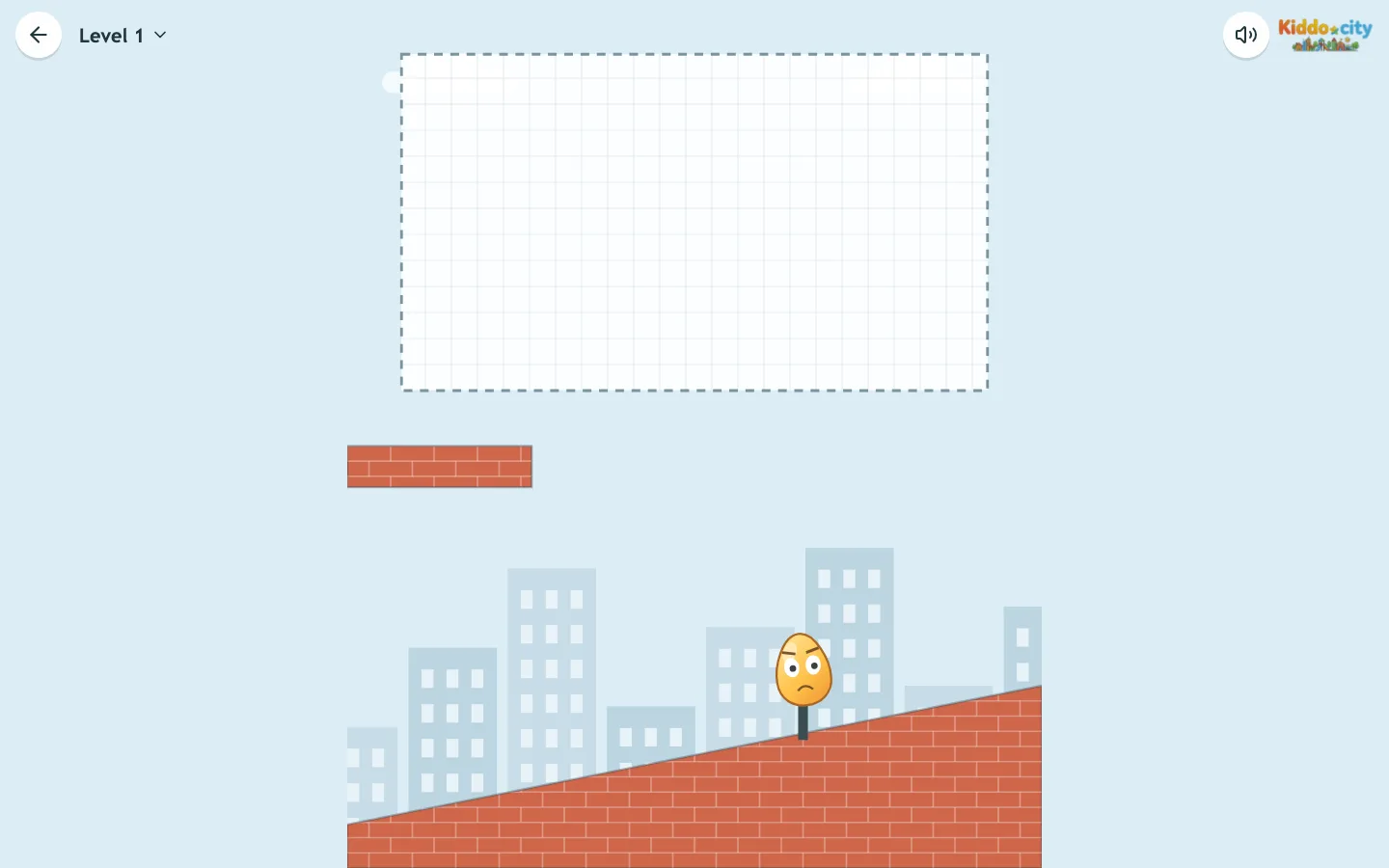
A single drawing becomes a falling object. Plan a shape that can reach every egg, taking shelves, pegs and slopes into account. Touching an egg with your falling shape is enough to crack it.
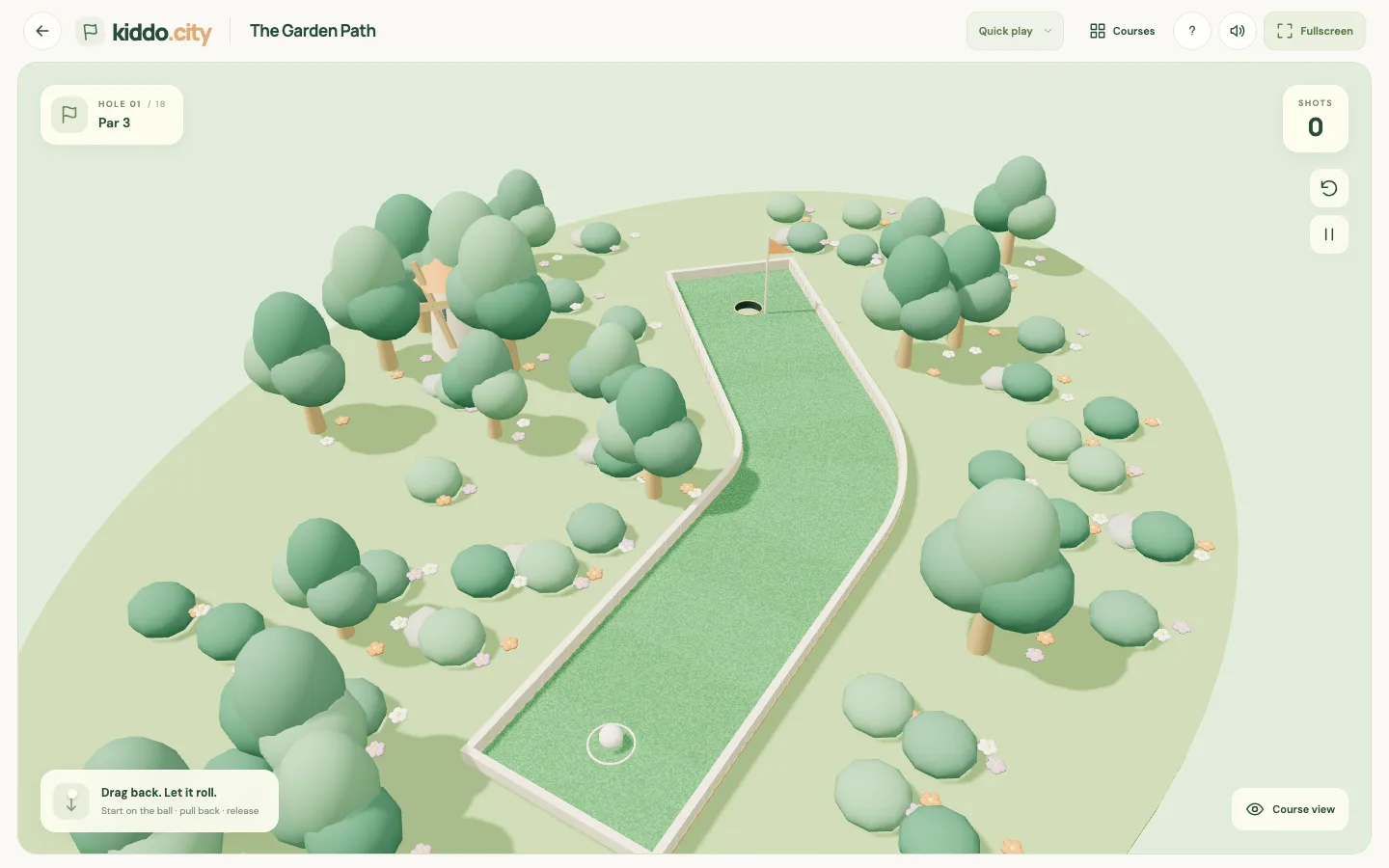
Line up a shot on a three-dimensional course and try to guide the ball into the cup. Walls, bends and obstacles change its route, so a gentler shot can be more useful than a powerful one.
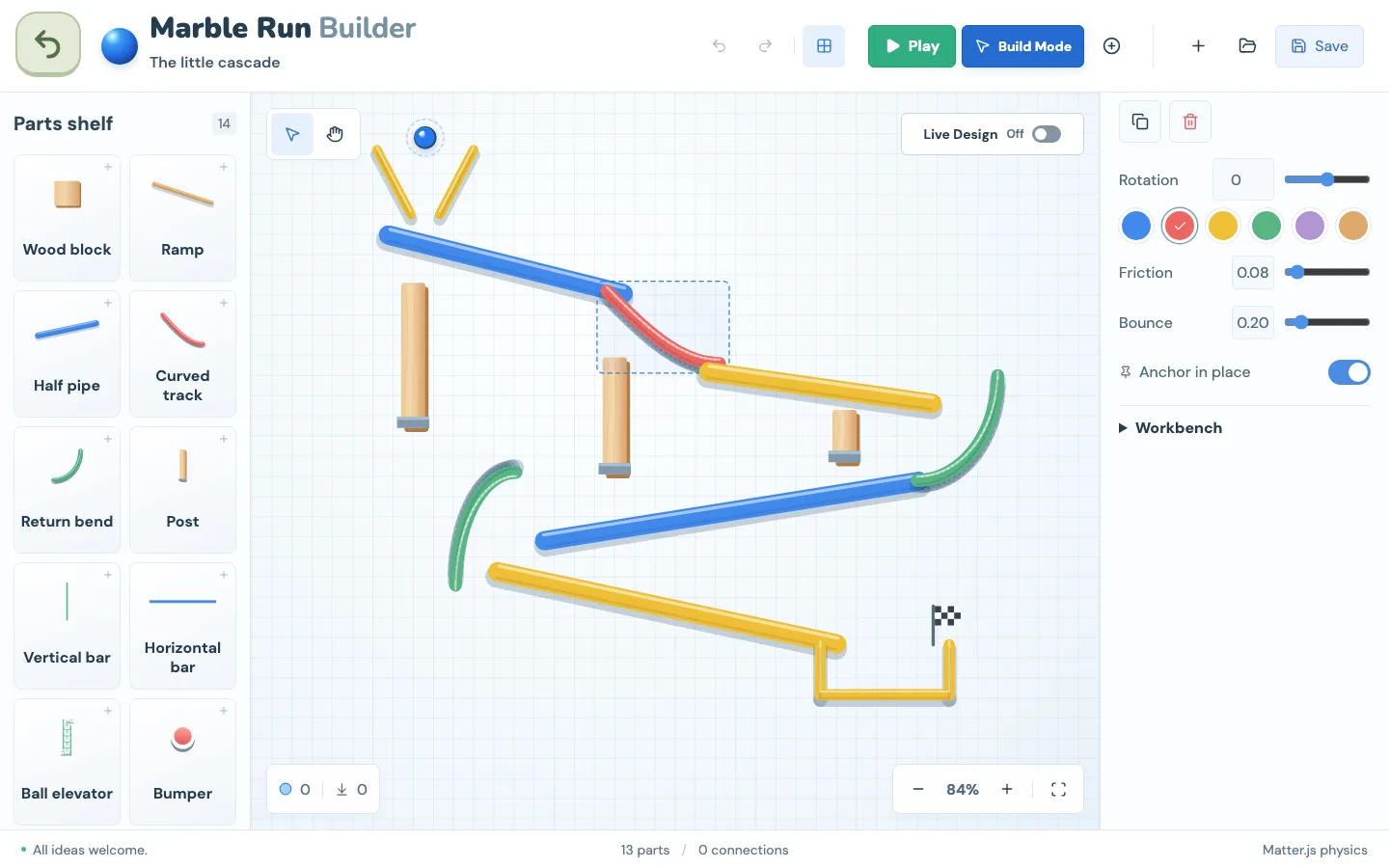
Build a marble track on a three-dimensional workbench. Combine ramps, curves, supports and moving parts, then test whether the marble travels where you expected. The starter build gives you a track to inspect and change.
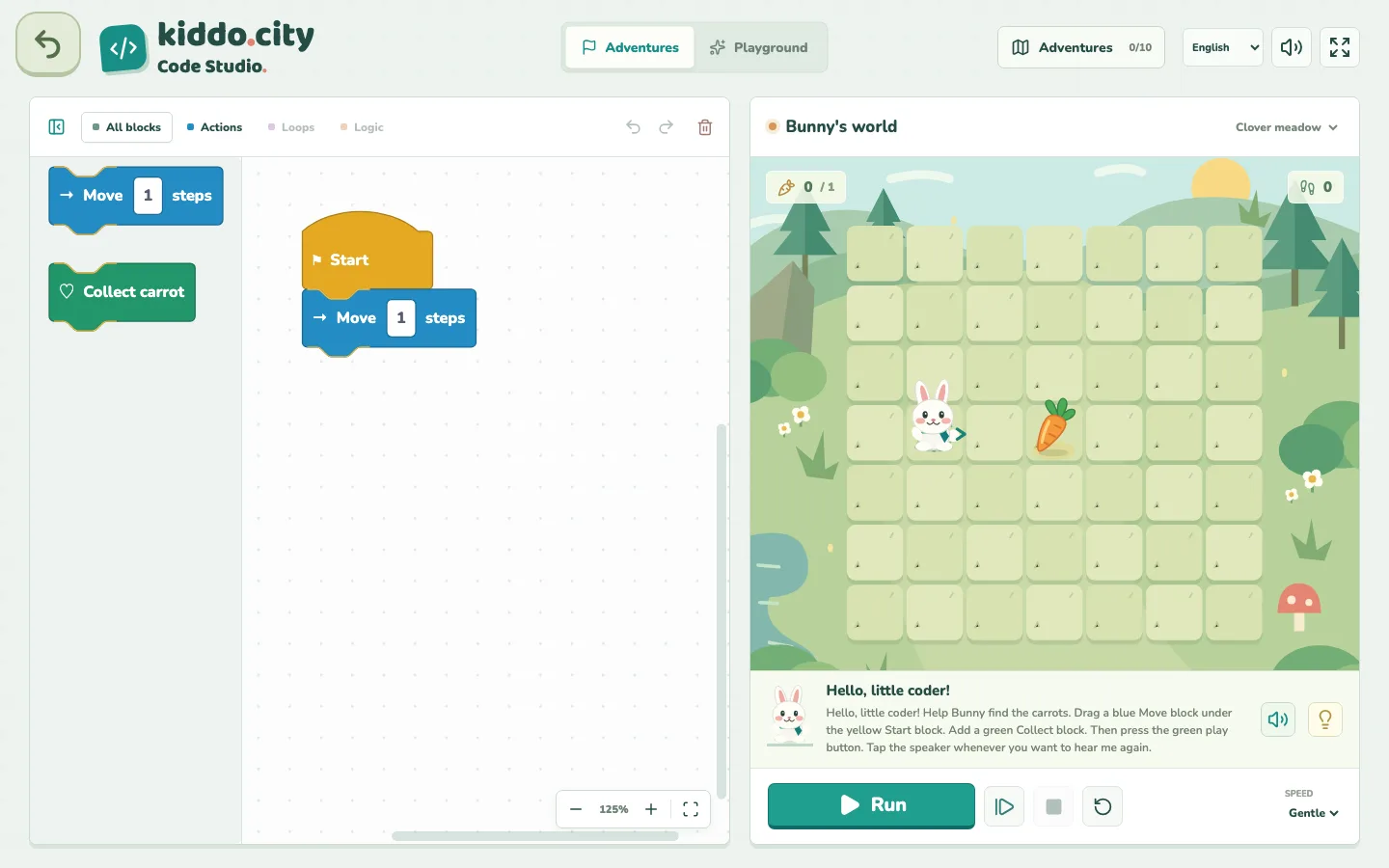
Give Bunny a sequence of instructions using visual blocks. Move, turn and collect carrots while working around obstacles. Watching the program run helps you see where your instructions need to change.
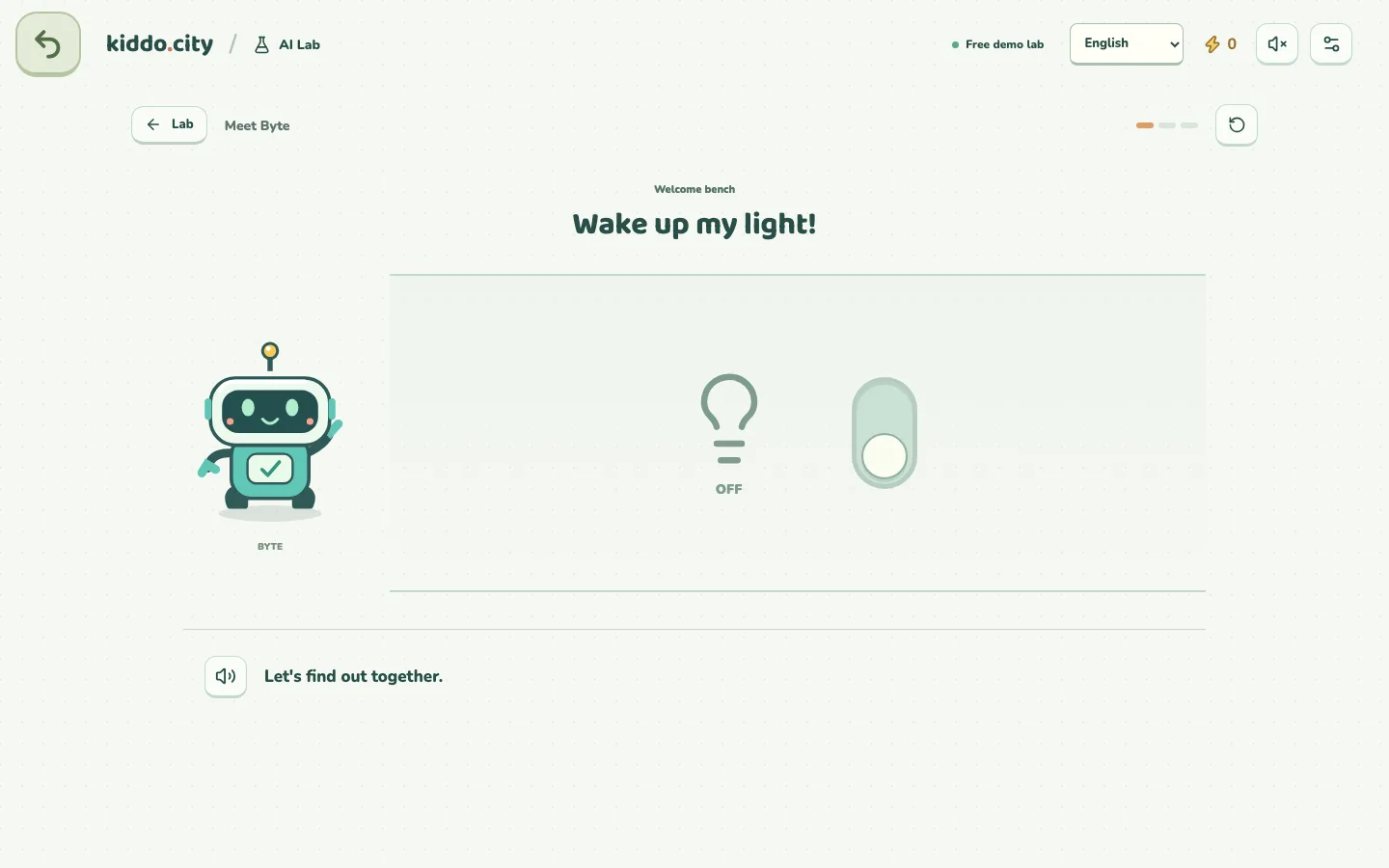
Help Byte explore how a robot learns from examples and sometimes makes mistakes. Small guided experiments invite you to sort, predict and compare results. This is a prepared demo lab; it is not an open chat with an AI service.
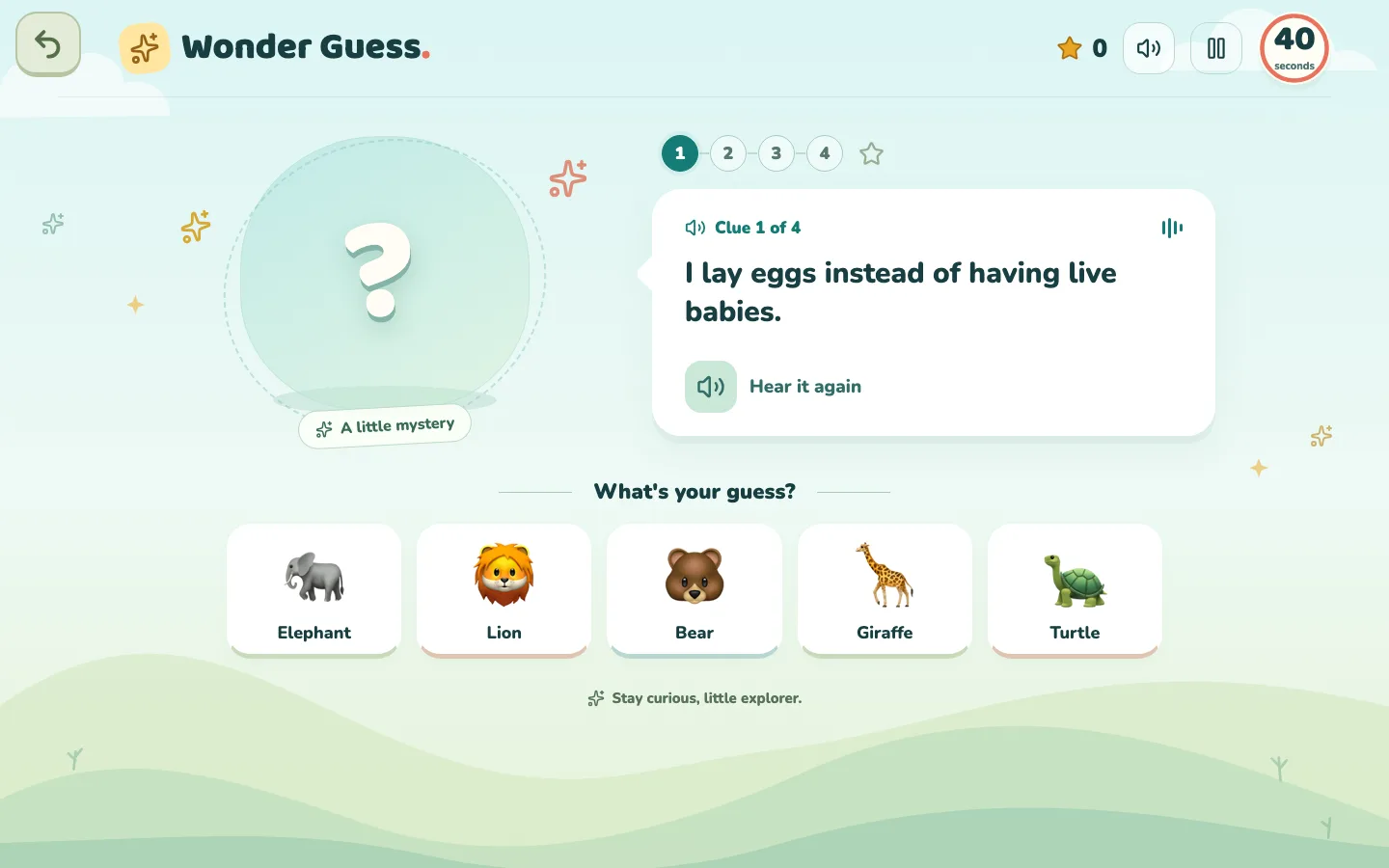
Listen to clues and decide what the hidden mystery could be. The answer stays concealed until you guess or the round ends, so the clues matter more than spotting a picture. New clues arrive as the countdown continues.
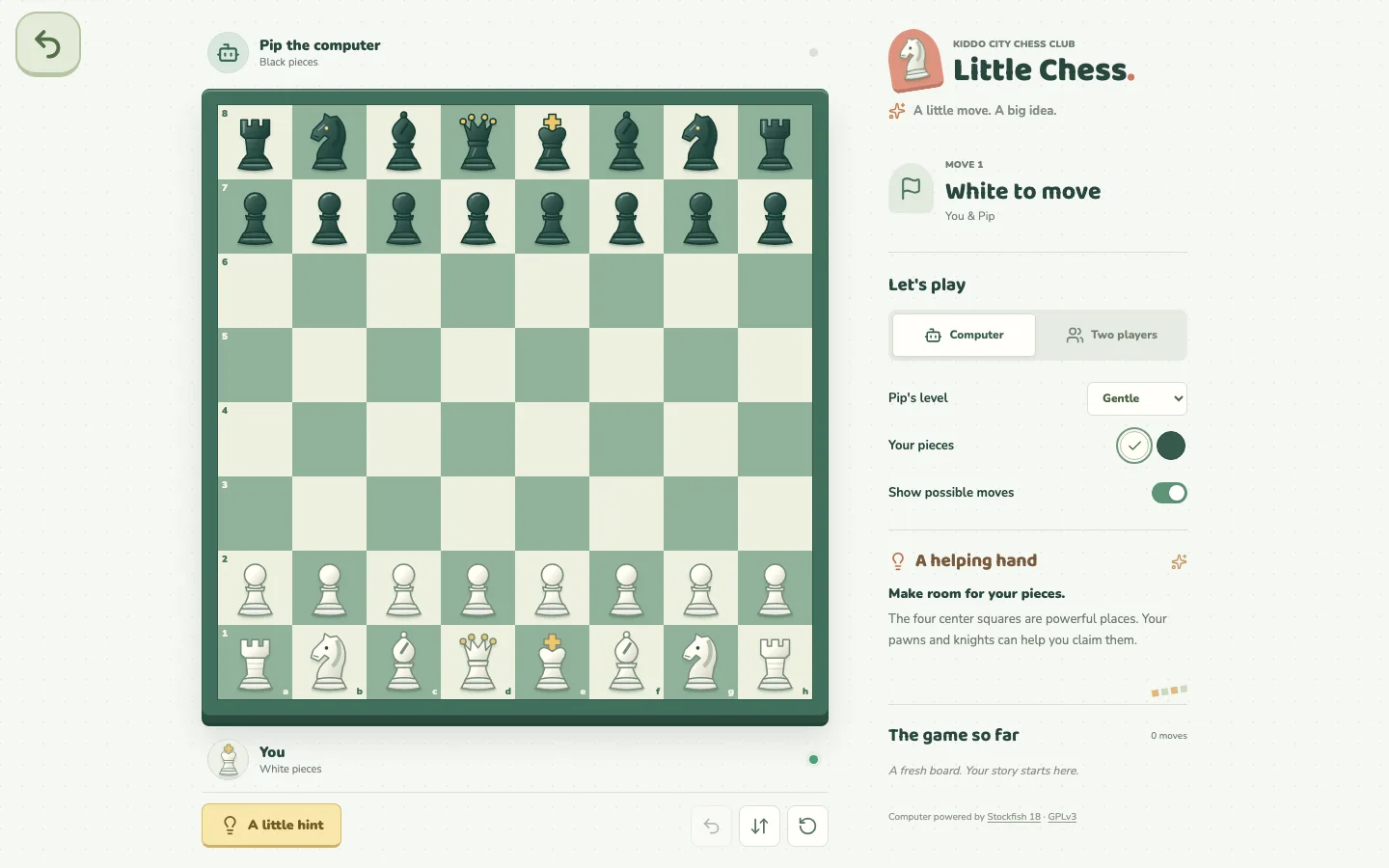
Play a complete game of chess against Pip or share the board with a friend. Select a piece, consider the legal moves and protect your king. The optional move display helps you inspect a position without changing chess rules.
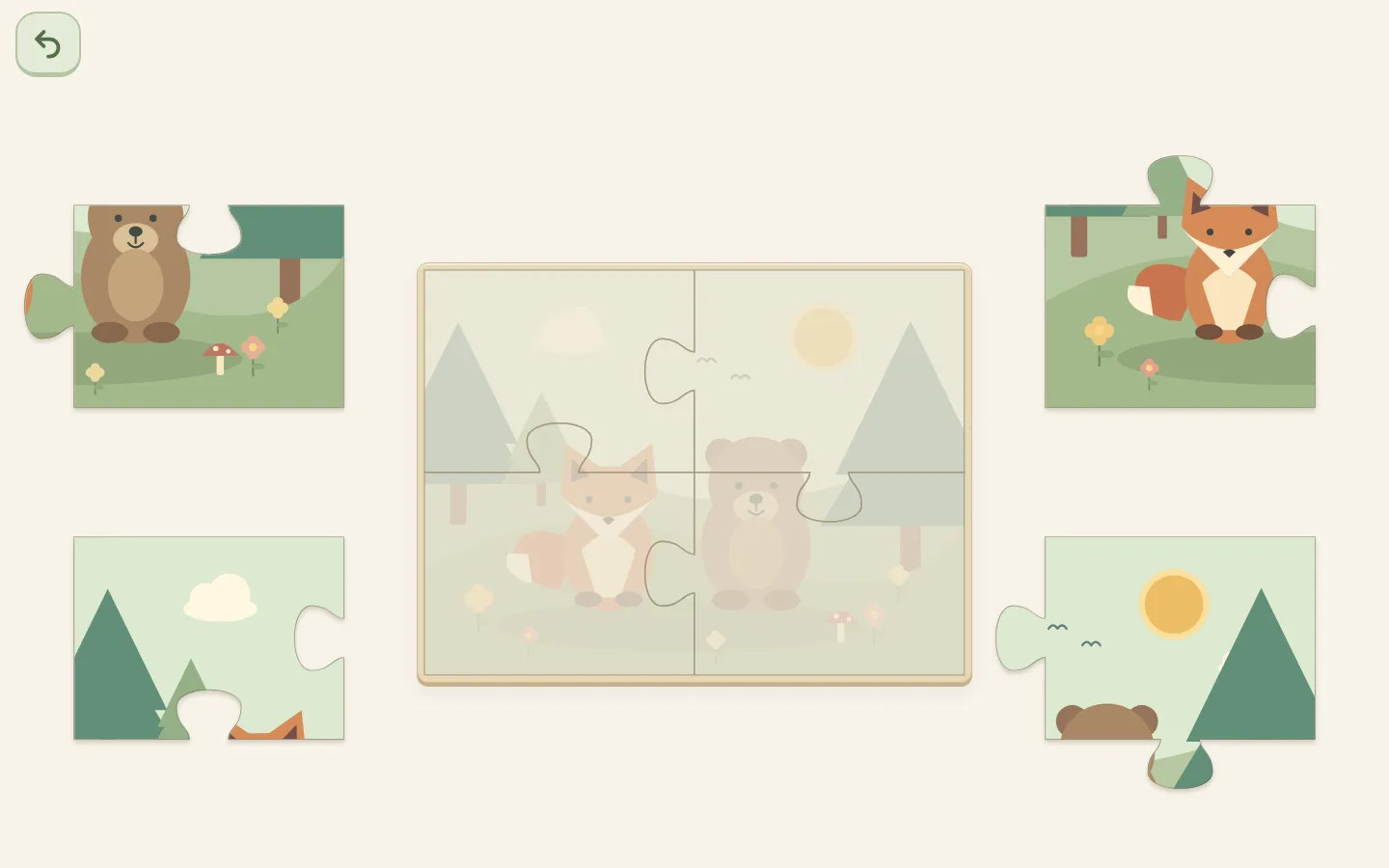
Choose a picture and rebuild it from interlocking pieces. Look at the image and the shape of each piece to find its space. The same picture can be played with different piece counts, so you can start small and return for a larger puzzle.
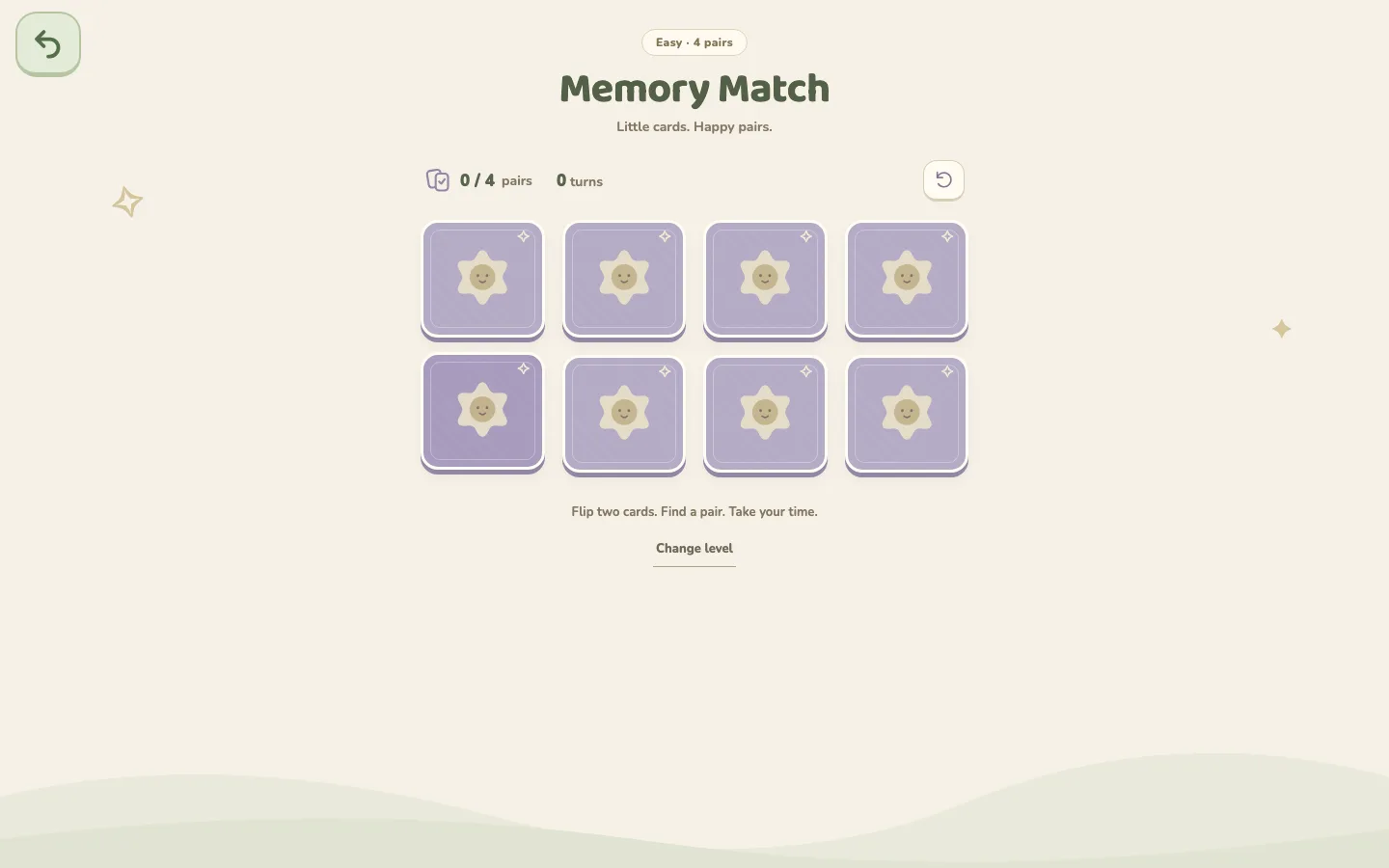
Turn over cards and find two pictures that match. A missed pair turns back over, giving you a reason to remember where each animal was. The board tracks pairs and turns, with no countdown or lives limit.
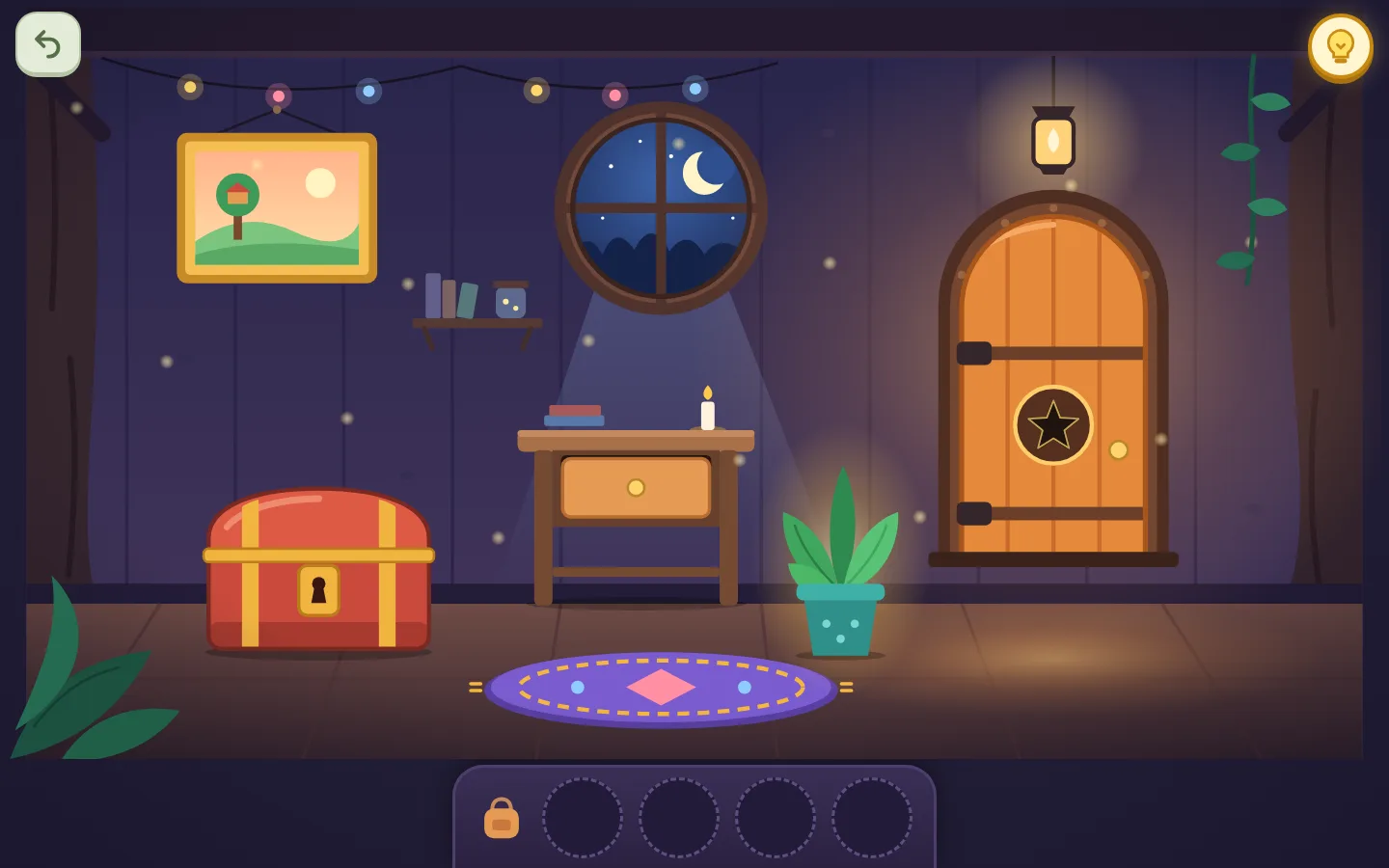
Explore a collection of themed rooms and solve the puzzles inside. Books, boats, stars and power systems call for different actions, so look closely before deciding what to move or tap. Room progress shows which challenges you have completed.
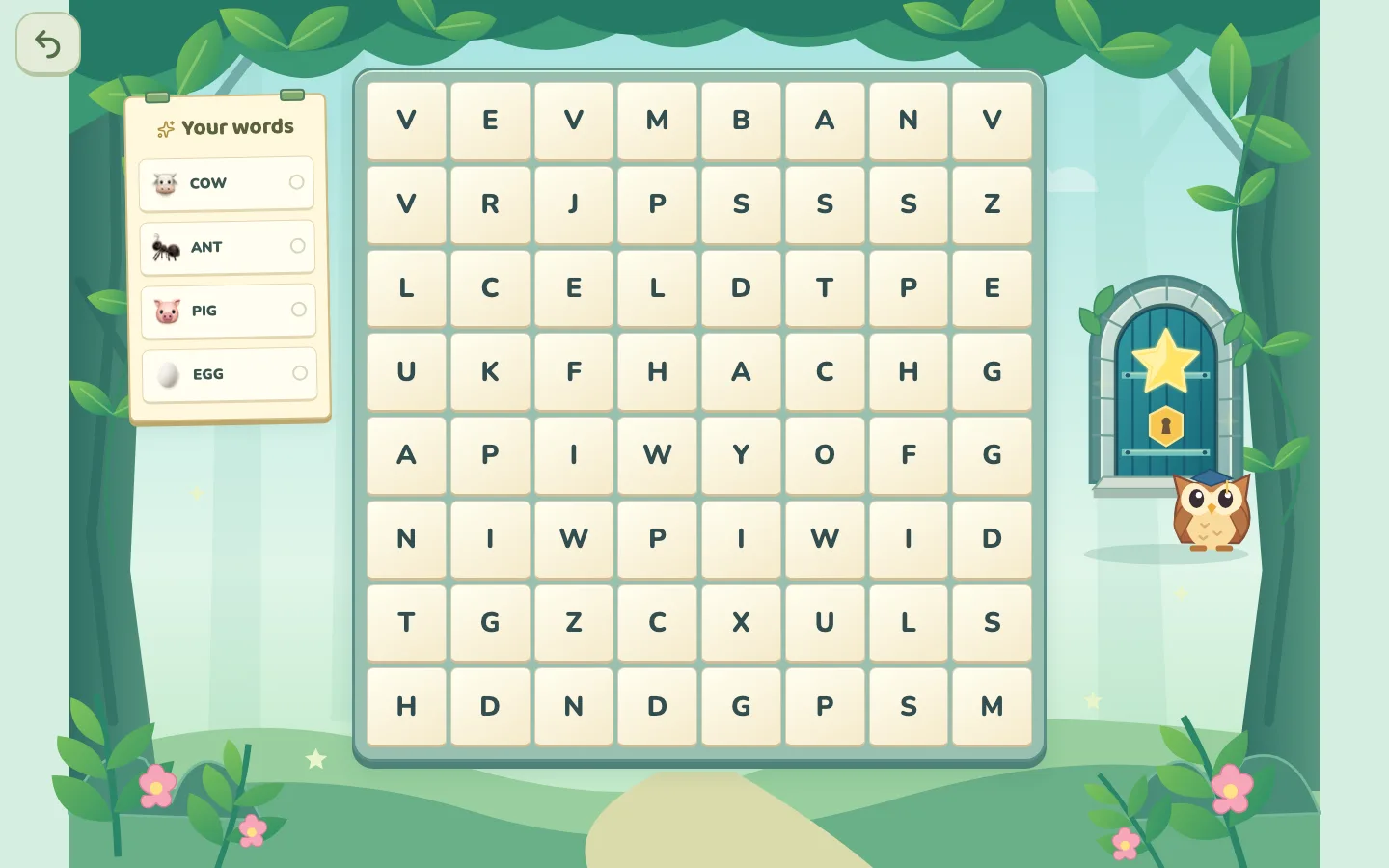
Find the listed English words hidden in a letter grid. Picture clues help identify the vocabulary while you scan rows, columns and, on Hard, diagonals. The landing-page instructions are translated; the current word pool uses English spelling.
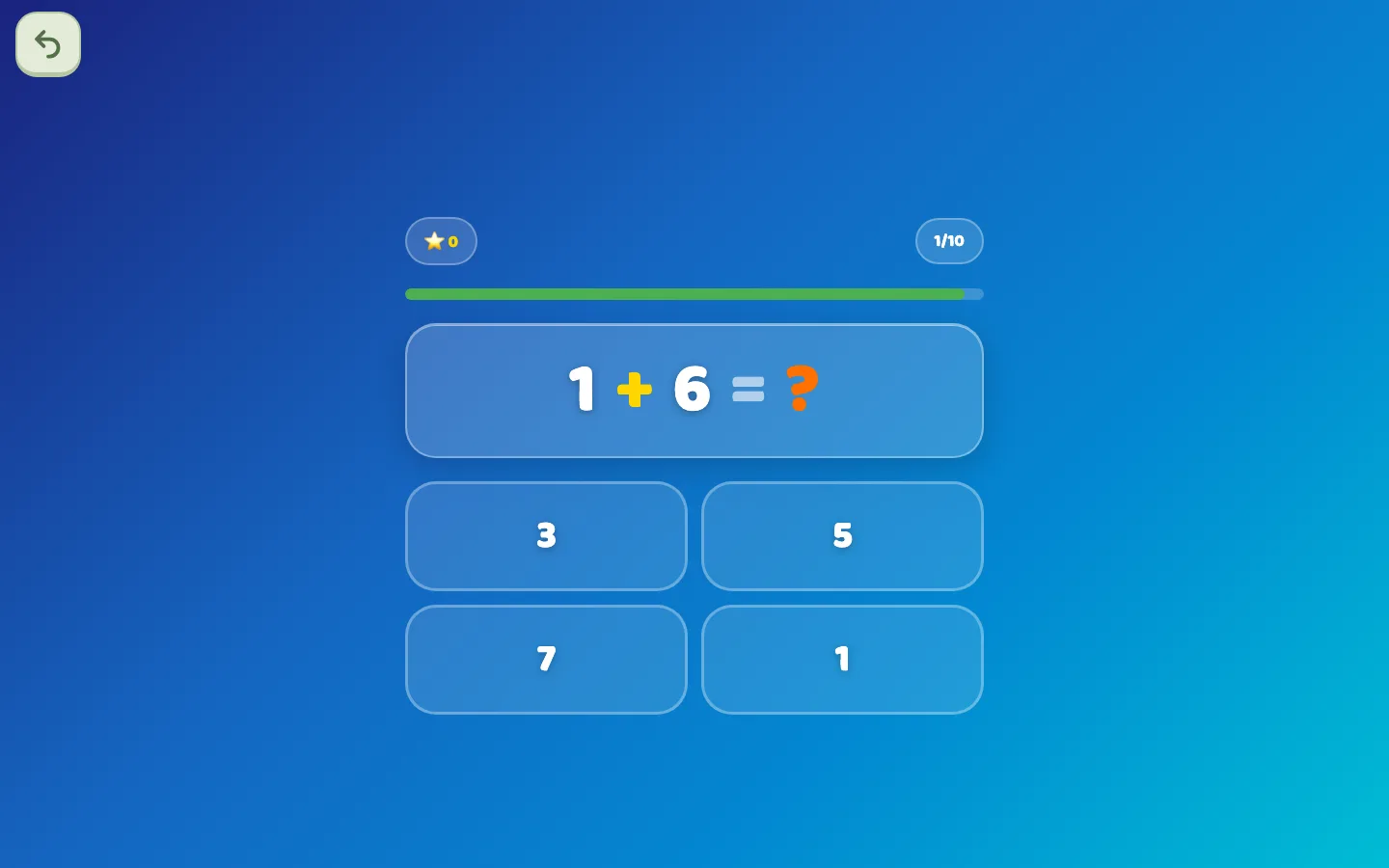
Solve short arithmetic questions before the countdown ends and help launch a rocket. Choose among the answer buttons, then follow the next question. The difficulty changes both the operations and the time available.
Age labels are starting points from the game catalogue, not developmental assessments. A grown-up can help choose a comfortable activity.